9 hr
El Jem, Kairouan & Coast: Private Full-Day History Tour
- Private experience
- Personal attention
- Premium amenities
- Free cancellation
Kairouan El Jem Tour From Sousse — Sacred City & Roman Amphitheatre
Marble columns hold the desert light, limestone tiers hold the silence.
Compare fares, pick the fit — all bookings are mobile-voucher and eligible for free cancellation where shown.
9 hr
8 hr
48 hr
Visitors planning a kairouan el jem tour from sousse can select between a standardized entrance pass or a combined heritage experience. These archaeological landmarks offer consistent access levels to help you explore UNESCO heritage sites efficiently.
| Standard Entry Individual Site Access |
Top pick Combined Heritage Pass Kairouan and El Jem |
|
|---|---|---|
| Entrance Fee | 12 TND | 12 TND |
| Included Locations | Single Monument | Kairouan Monuments and El Jem Site |
| Museum Access | — | Included |
| Wait Time | Depends on arrival | Best arrival 08:00–10:00 |
| Best for | Budget travelers | First-time visitors |
| See tickets & prices |
Verdict: We recommend the Combined Heritage Pass for those booking a kairouan el jem tour from sousse tickets to ensure full access to both the Kairouan monuments and the El Jem archaeological museum.
Worth it for transport, not for the ticket
The maths on a kairouan el jem tour from sousse is really about logistics, not admission. The 12 TND combined ticket covering the Kairouan monuments plus the El Jem site and museum is close to trivial — you would pay it whether you came by louage or by minibus. What you are actually buying is a driver who covers roughly 130 km inland and back in one day, so the Great Mosque of Uqba, the Aghlabid basins and the Roman amphitheatre of Thysdrus all land in a single outing. Doing it independently means a Sousse–Kairouan louage, a backtrack for the El Jem rail line, and dead time in the sun at each transfer. Guided kairouan el jem tour from sousse tours pay off for resort guests with limited days and no Arabic or French. Confident independent travellers with a rental car should skip the tour and keep the savings.
Bottom line: Book the kairouan el jem tour from sousse tour if you value the transport and translation; buy the 12 TND kairouan el jem tour from sousse tickets yourself only if you already have wheels.
They complement each other; most visitors who do both call the Kairouan El Jem tour from Sousse the more immersive historical journey, while the Carthage circuit offers a more scenic coastal experience.
|
Top pick Kairouan & El Jem |
Carthage & Sidi Bou Said | |
|---|---|---|
| Focus | Islamic heritage and Roman ruins | |
| Best for | History and archaeology enthusiasts | |
| Typical Duration | 8 hours | |
| Start/End | Sousse city hotels | |
| Seasonality | Available year-round | |
| Travel Intensity | Moderate travel required | |
| Booking | Available for online purchase | |
| See tickets & prices |
Verdict: Choose the Kairouan El Jem tour from Sousse if you prioritize deep dives into UNESCO heritage sites, or select the Carthage route for a classic mix of Punic history and Mediterranean aesthetics.
Hand-picked experiences loved by thousands of travelers
2 days
Free Cancellation
Journey from ancient Roman ruins to starlit desert camps, with mountain oases and Berber villages
Full day (approximately 10-12 hours)
Free Cancellation
Discover Tunisia's Islamic heritage and Roman ruins on this comprehensive day trip with expert guidance
4-7 hours
Free Cancellation
Discover Tunisia's ancient treasures with private transport to two World Heritage Sites
1 day
Free Cancellation
Explore a massive Roman amphitheater, Tunisia's holiest city, and Mediterranean coastal charm in one day
8 hours
Free Cancellation
Journey through Tunisia's heritage with visits to ancient mosques, Roman ruins, and medieval waterworks
9 hours
Free Cancellation
Journey from sacred Islamic heritage to ancient Roman spectacle on this full-day cultural adventure
1 day
Free Cancellation
Journey through Tunisia's rich heritage visiting ancient mosques, Roman amphitheaters, and medieval medinas
You leave the Sousse seafront early, in the 08:00–10:00 window that keeps you ahead of the mid-day desert heat, and the resort strip gives way to olive groves within twenty minutes. The road inland is flat and pale. Your guide points out the first ridge of prickly pear hedging.
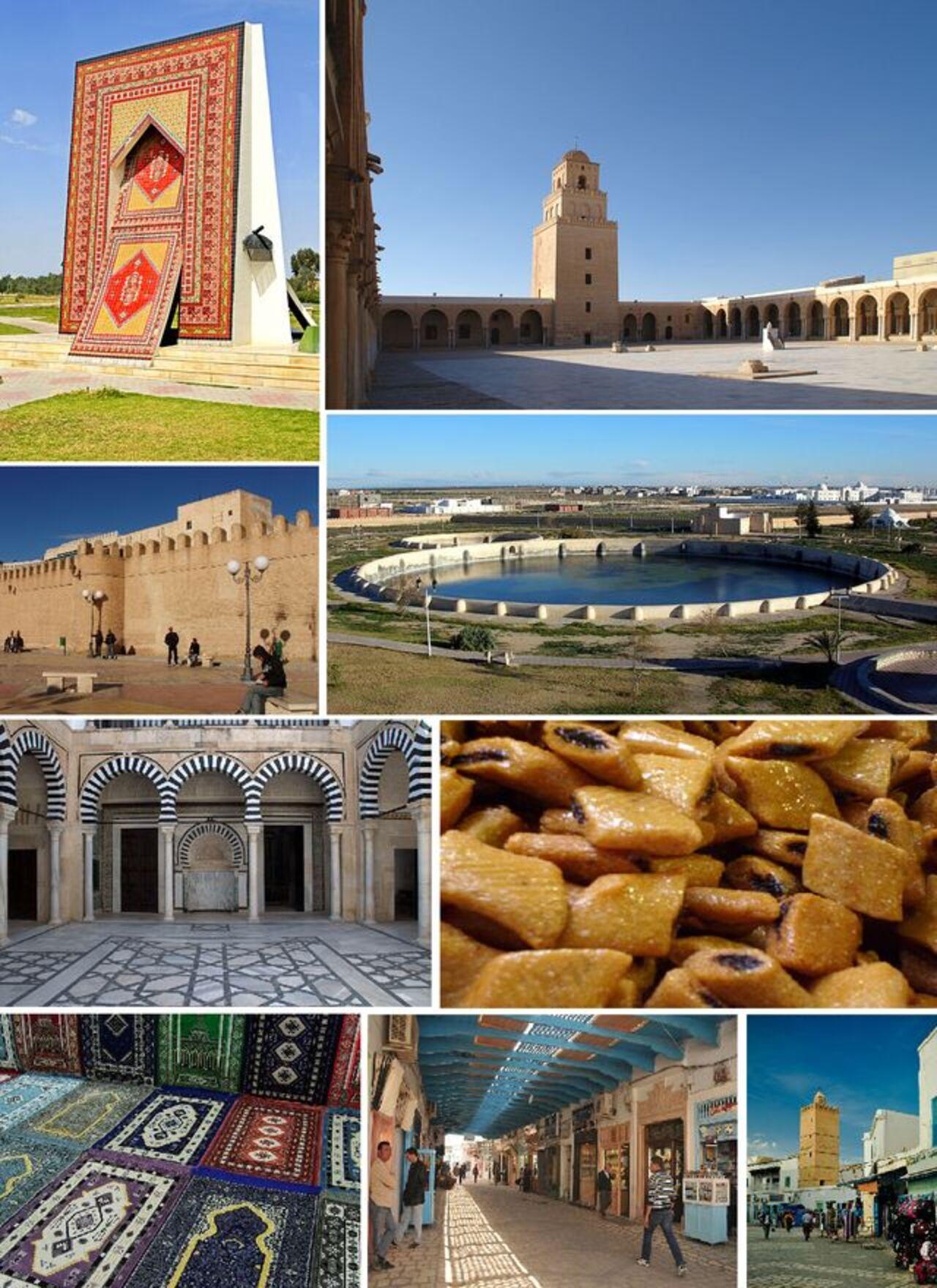
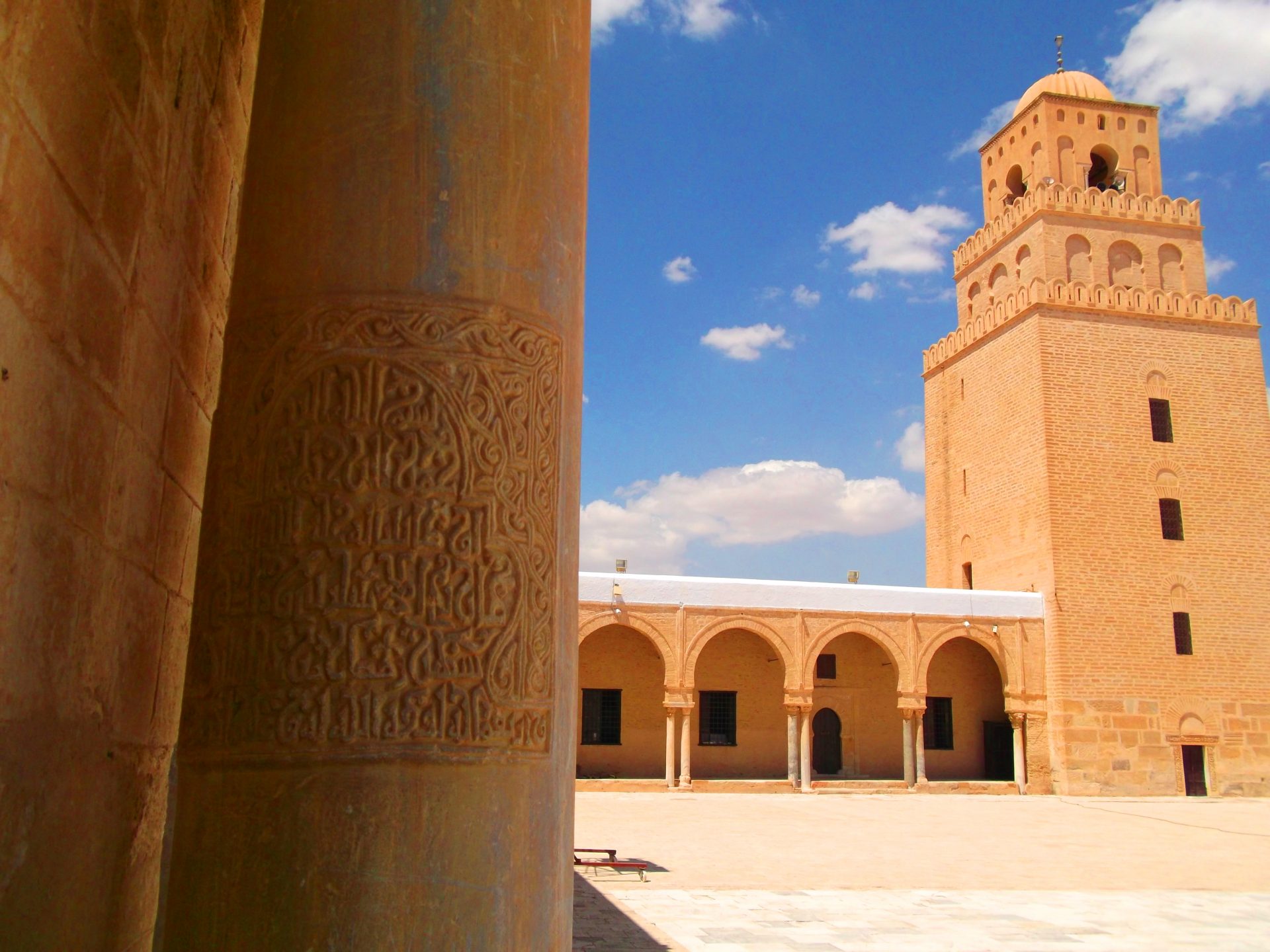
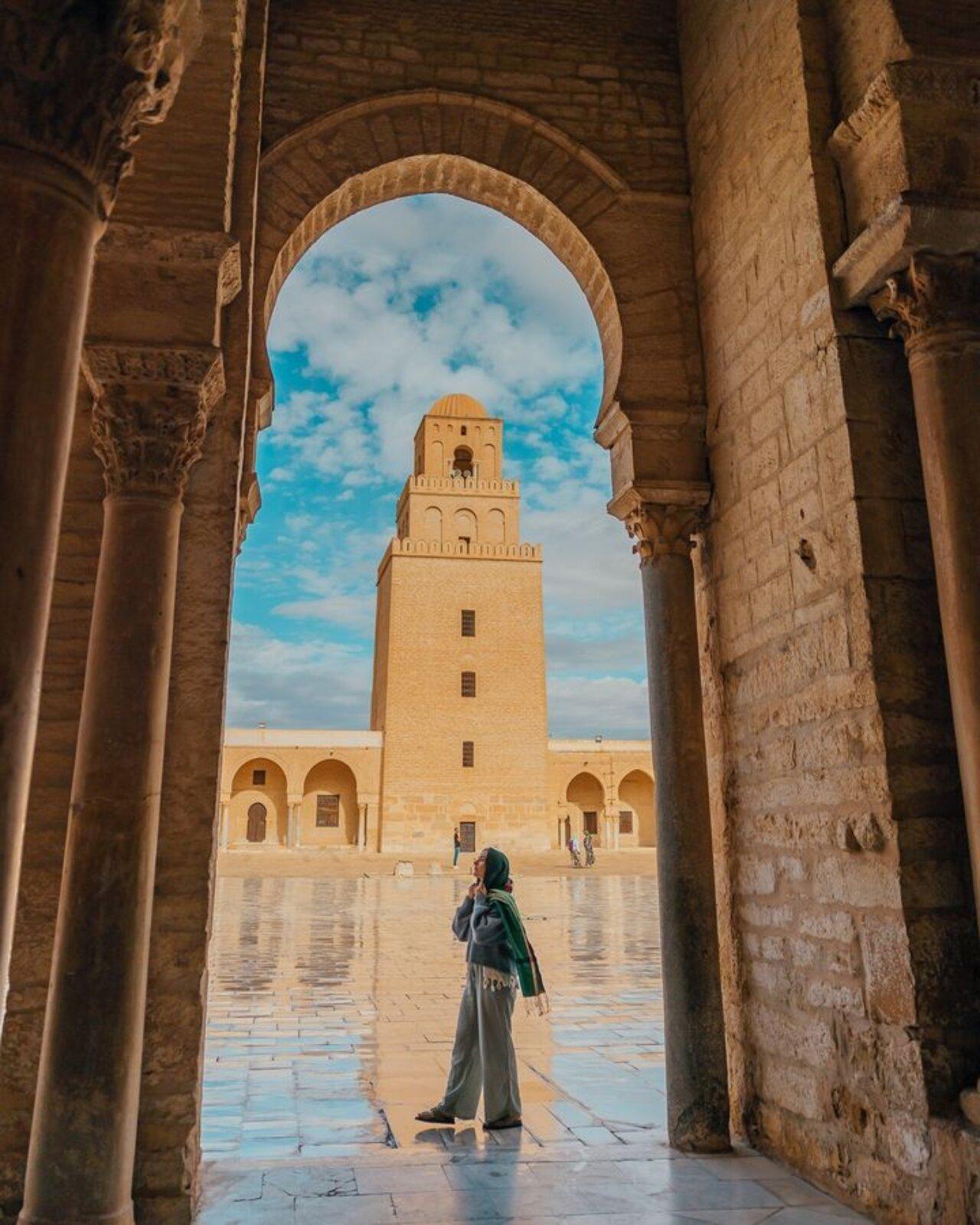
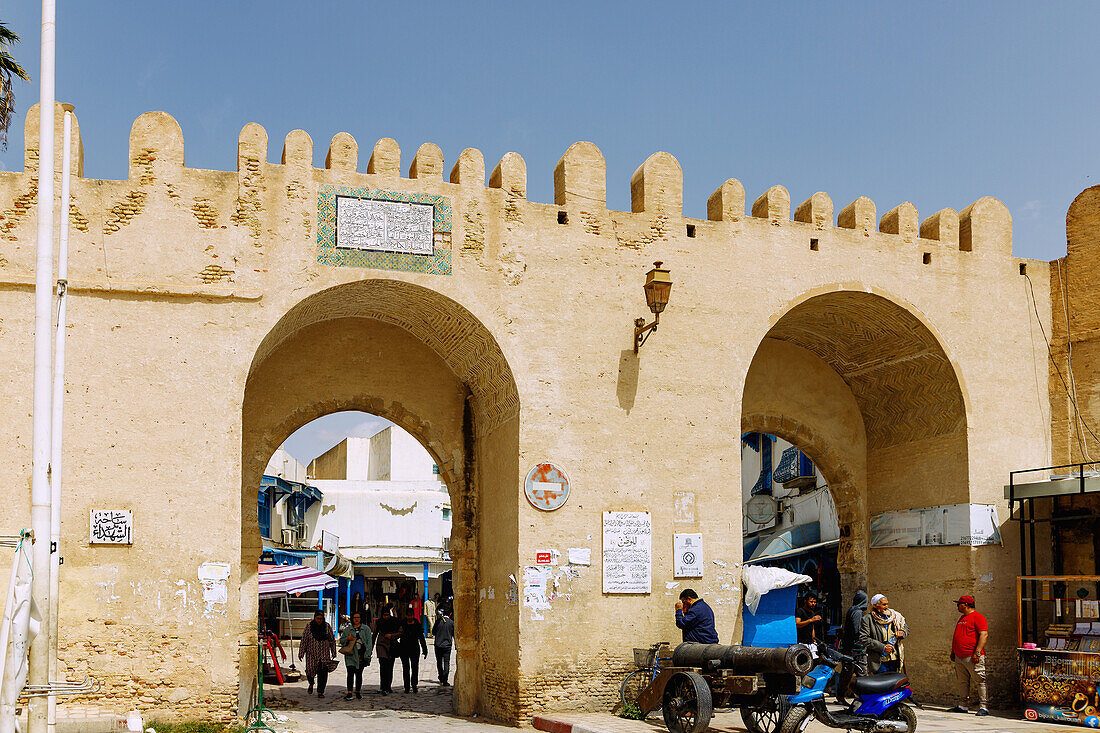
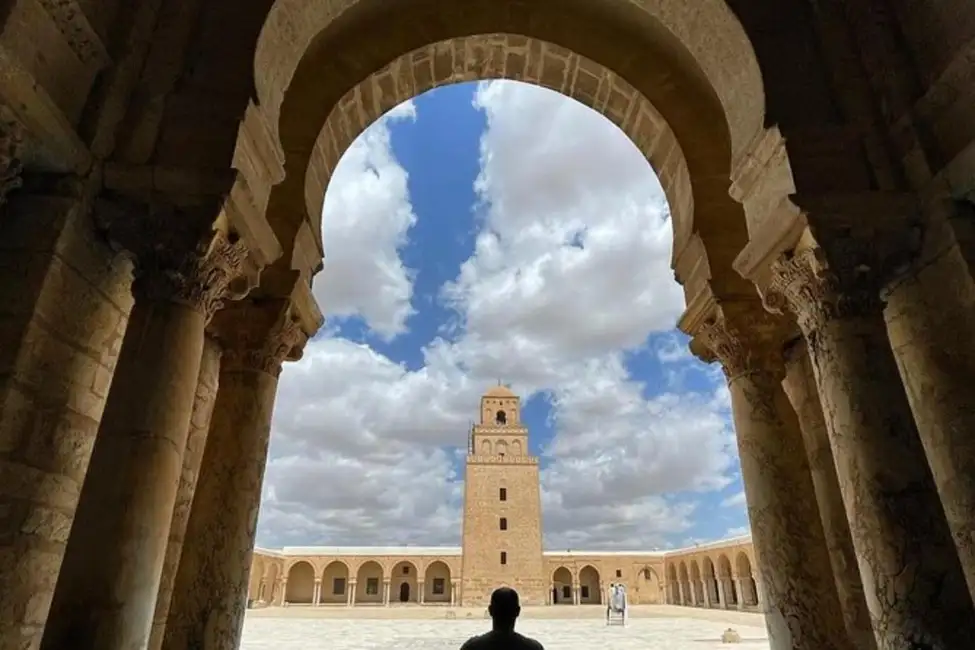
At Kairouan you enter through the Bab Tunis gate and walk the medina lanes to the Mosque of Uqba. You cross a courtyard the size of a football pitch, squint at the sundial set into the paving, and stand at the threshold of the prayer hall — non-Muslim visitors look in rather than enter. You count columns until you lose track. Shoulders and knees stay covered; a scarf helps. Later you press a thumb into a carpet pile in a workshop off the souk, and drink mint tea with pine nuts while the loom clatters.
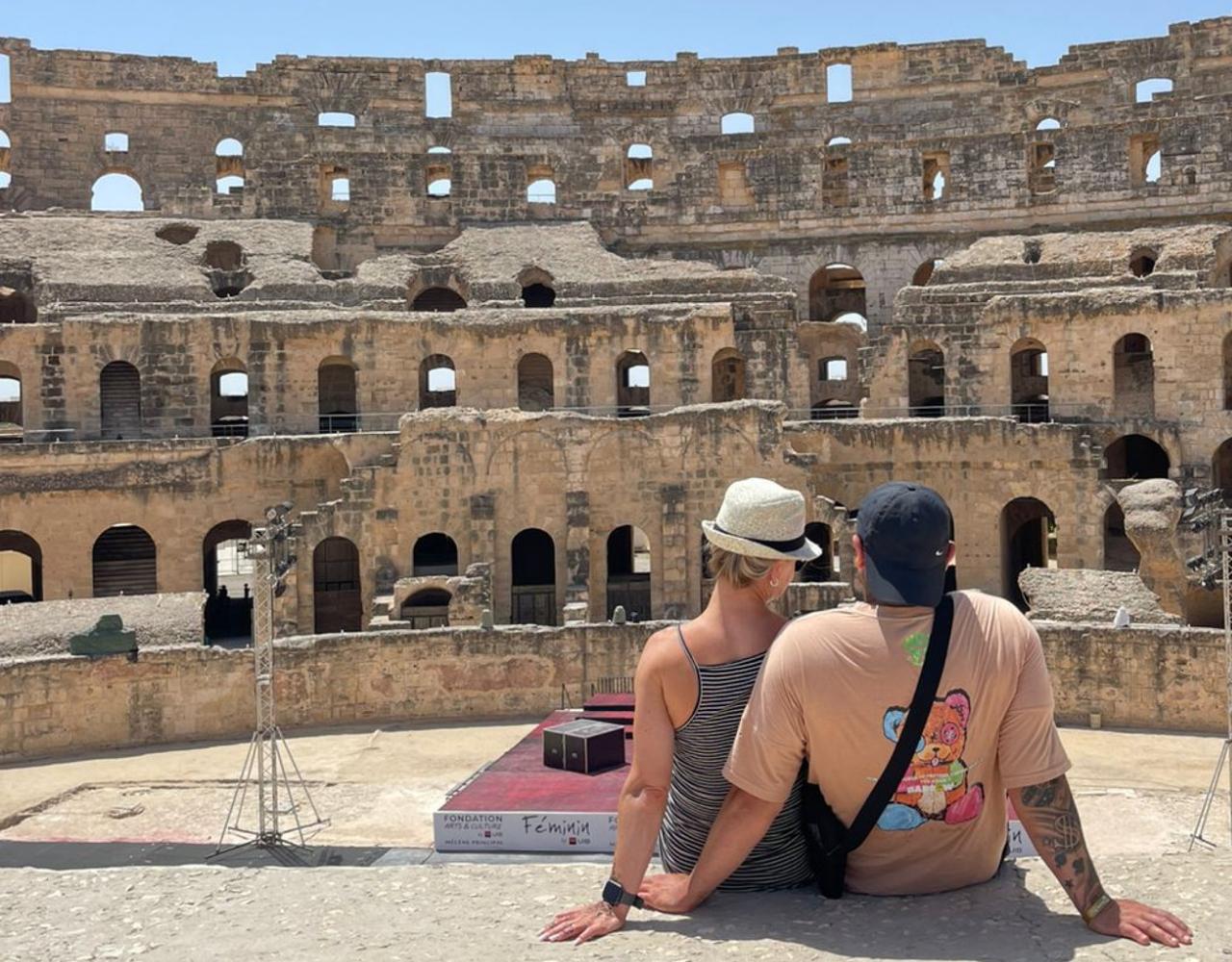
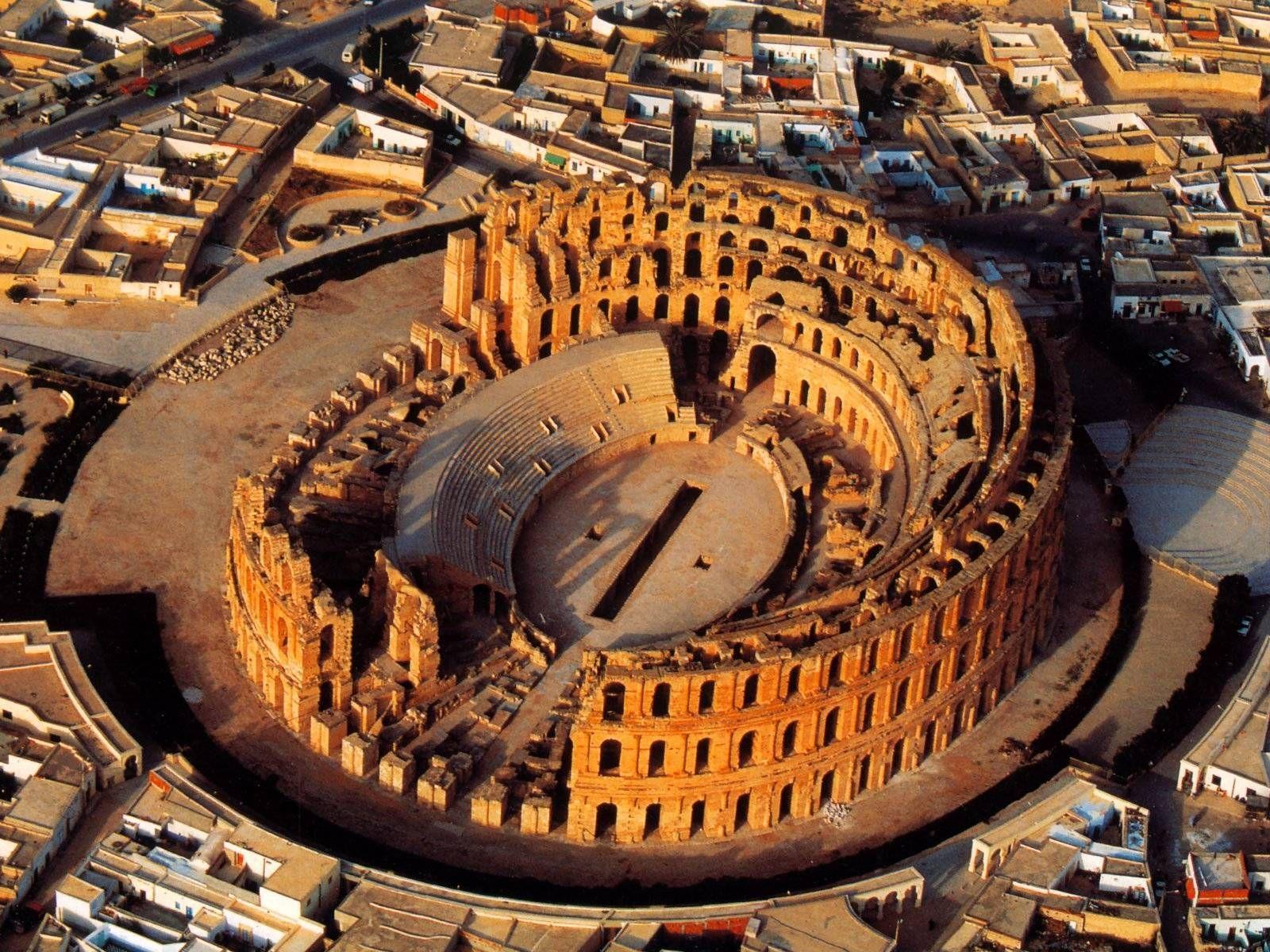
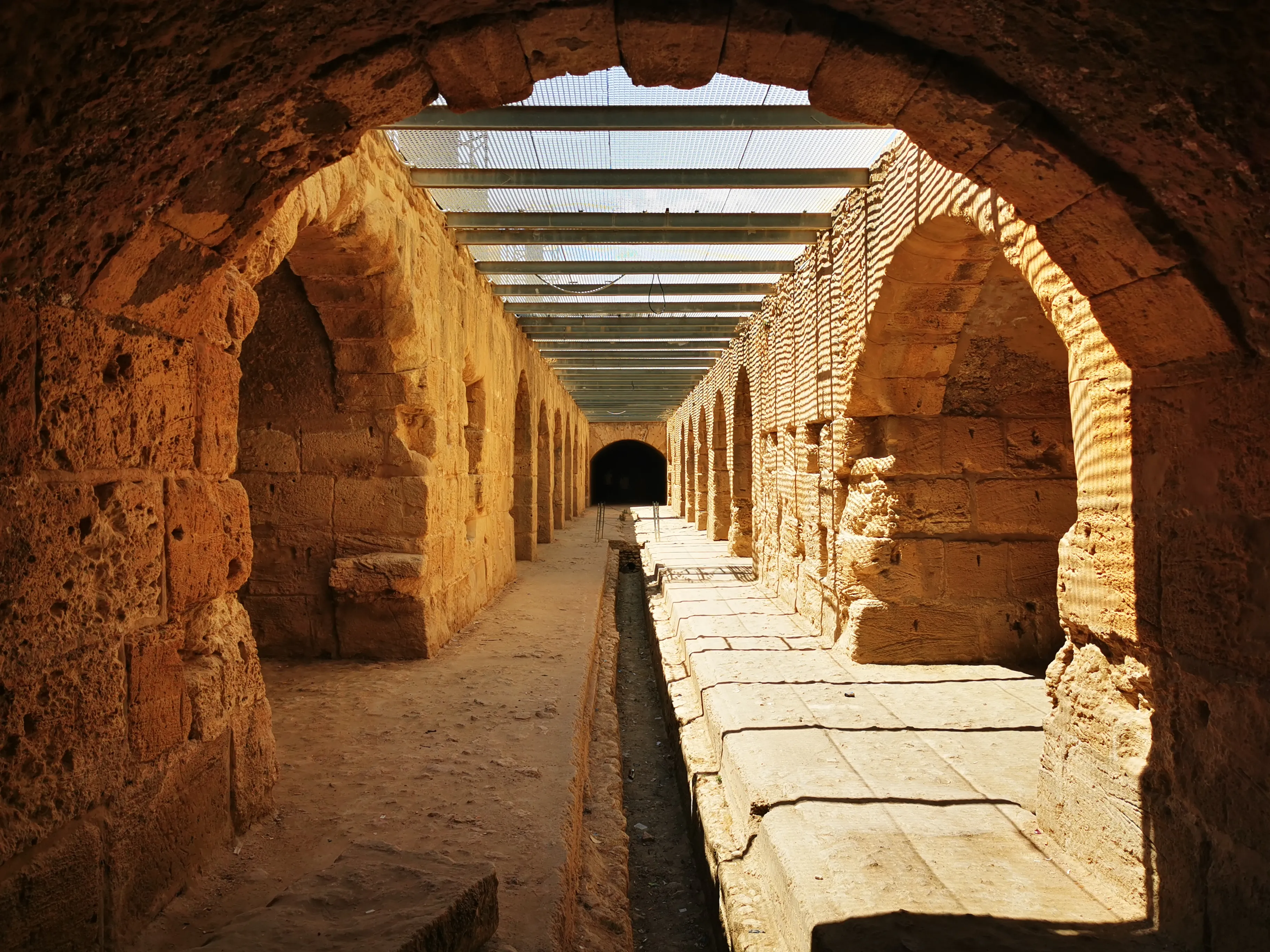
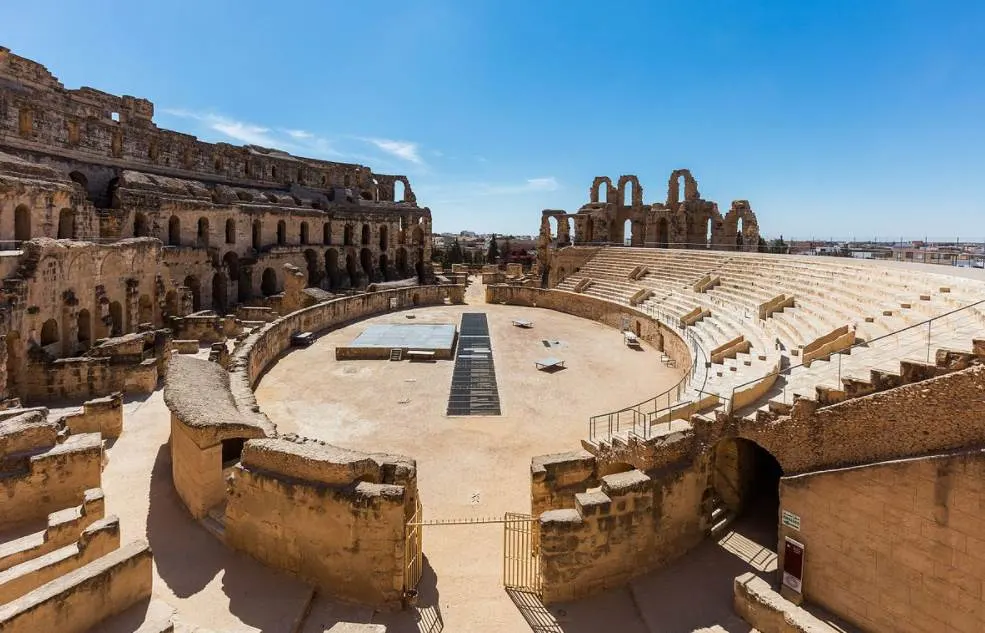
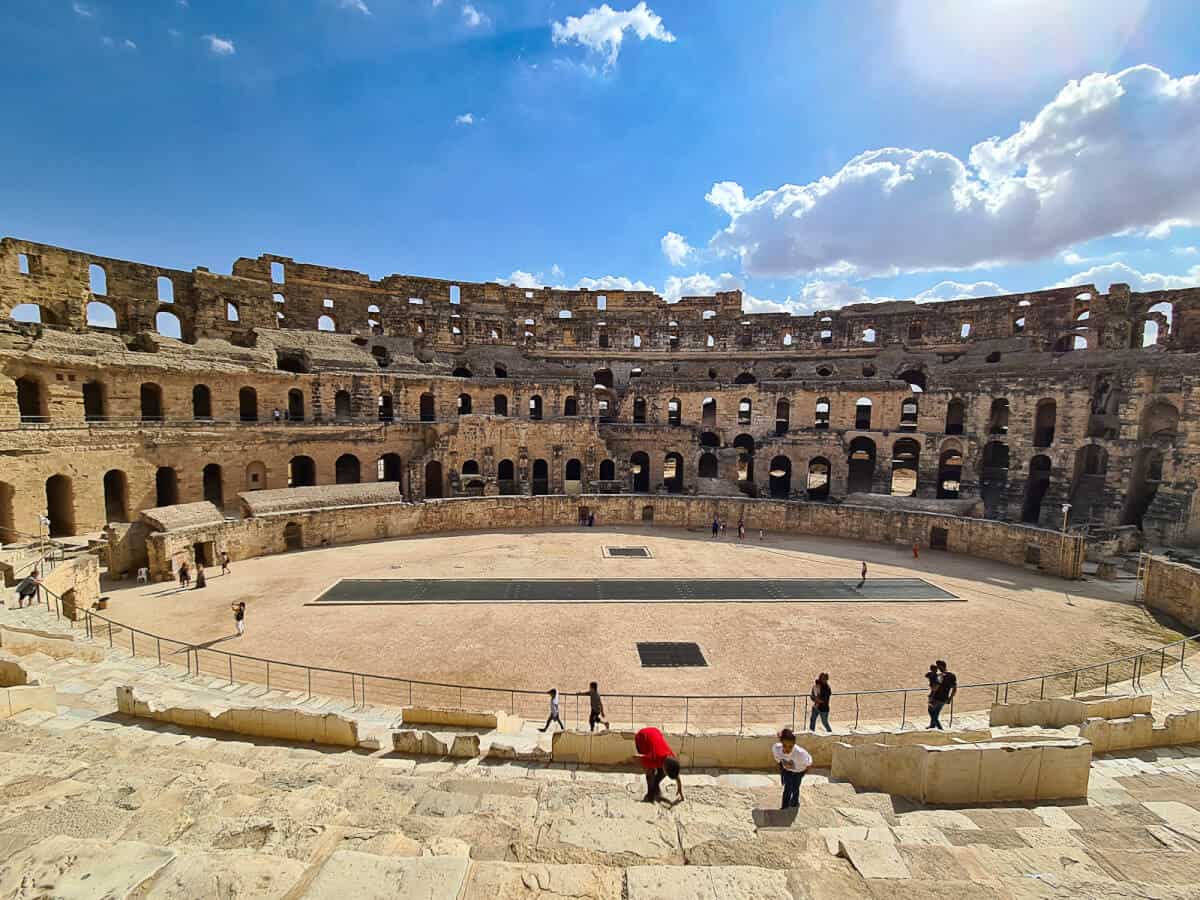
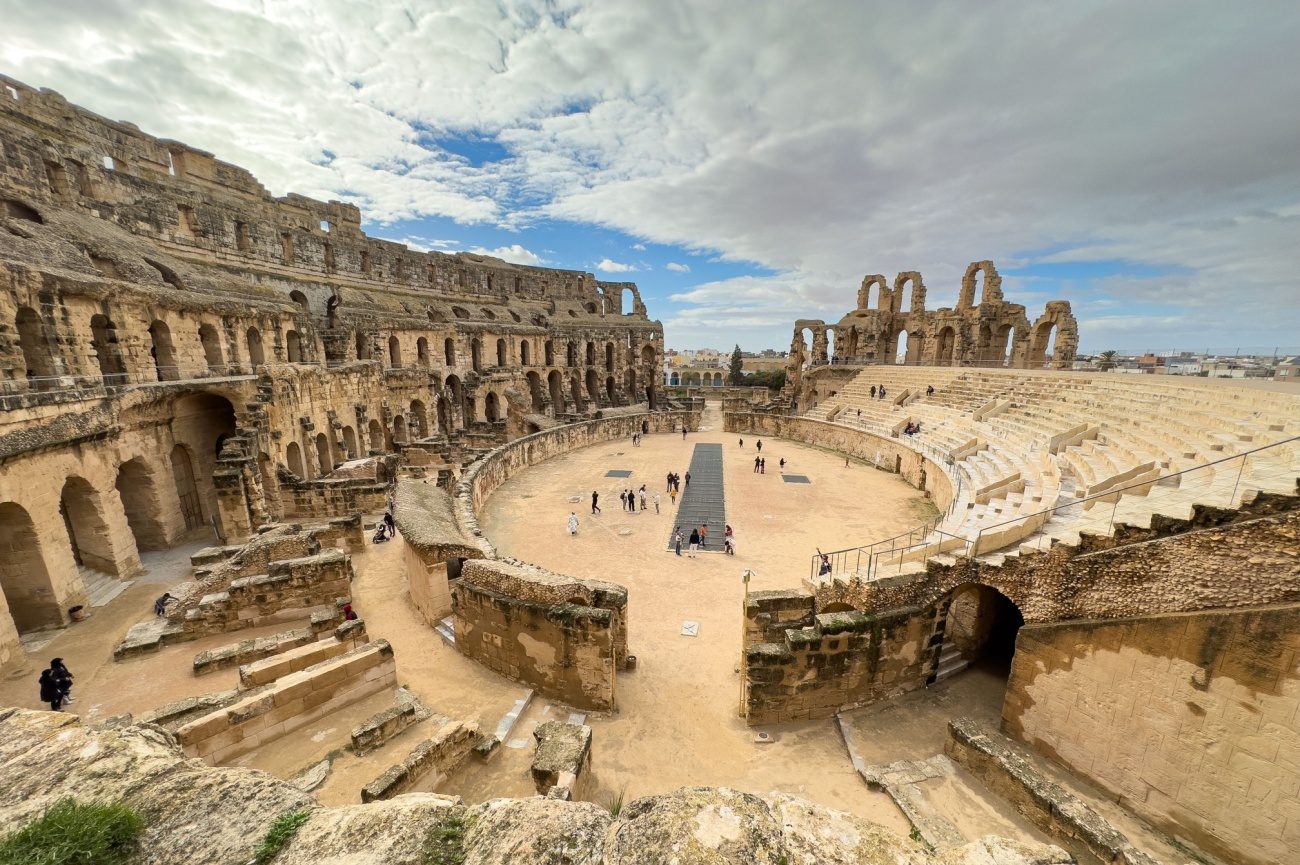
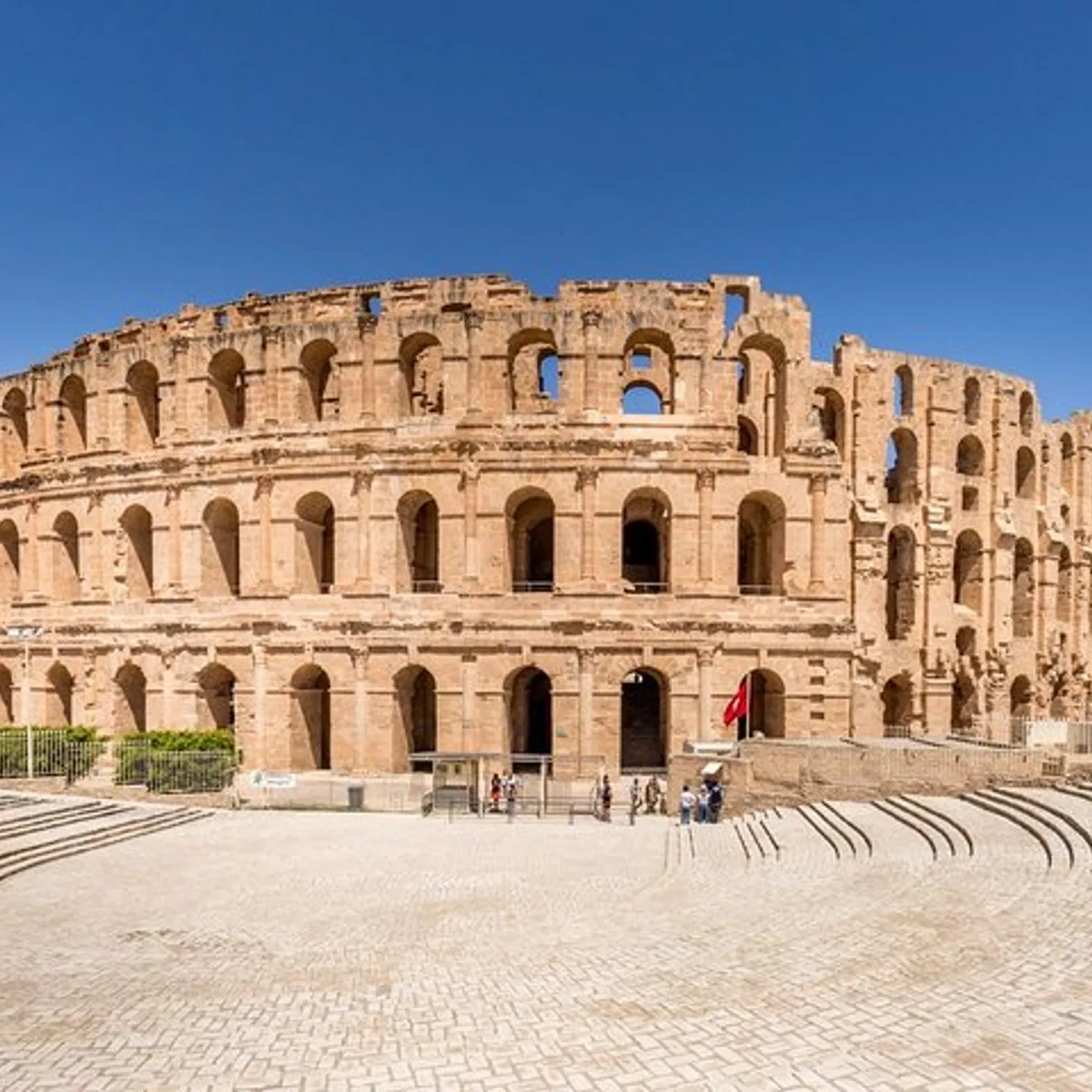
The drive south to El Jem takes about an hour. Then the amphitheatre simply appears above the rooftops, and the scale resets. You climb the tiers, feel the limestone radiate stored heat, and descend into the underground passages where the lift shafts still cut the vaulted ceiling. You stand in the arena floor's centre and clap once, listening. Your kairouan el jem tour from sousse ends at the museum, where you crouch over a mosaic sea-god and notice the tesserae are hand-cut. The 12 TND combined ticket covers all of it.
All the details about your upcoming adventure in one place
El Jem's amphitheatre once seated 35,000 people — more than the population of the town that now surrounds it. Built in the third century under the proconsul Gordian, the structure rose from a plain that had no river, no port and no defensive advantage, only olive oil.
Roman Thysdrus grew rich pressing it, and spent that wealth on limestone tiers that still stand three storeys high.
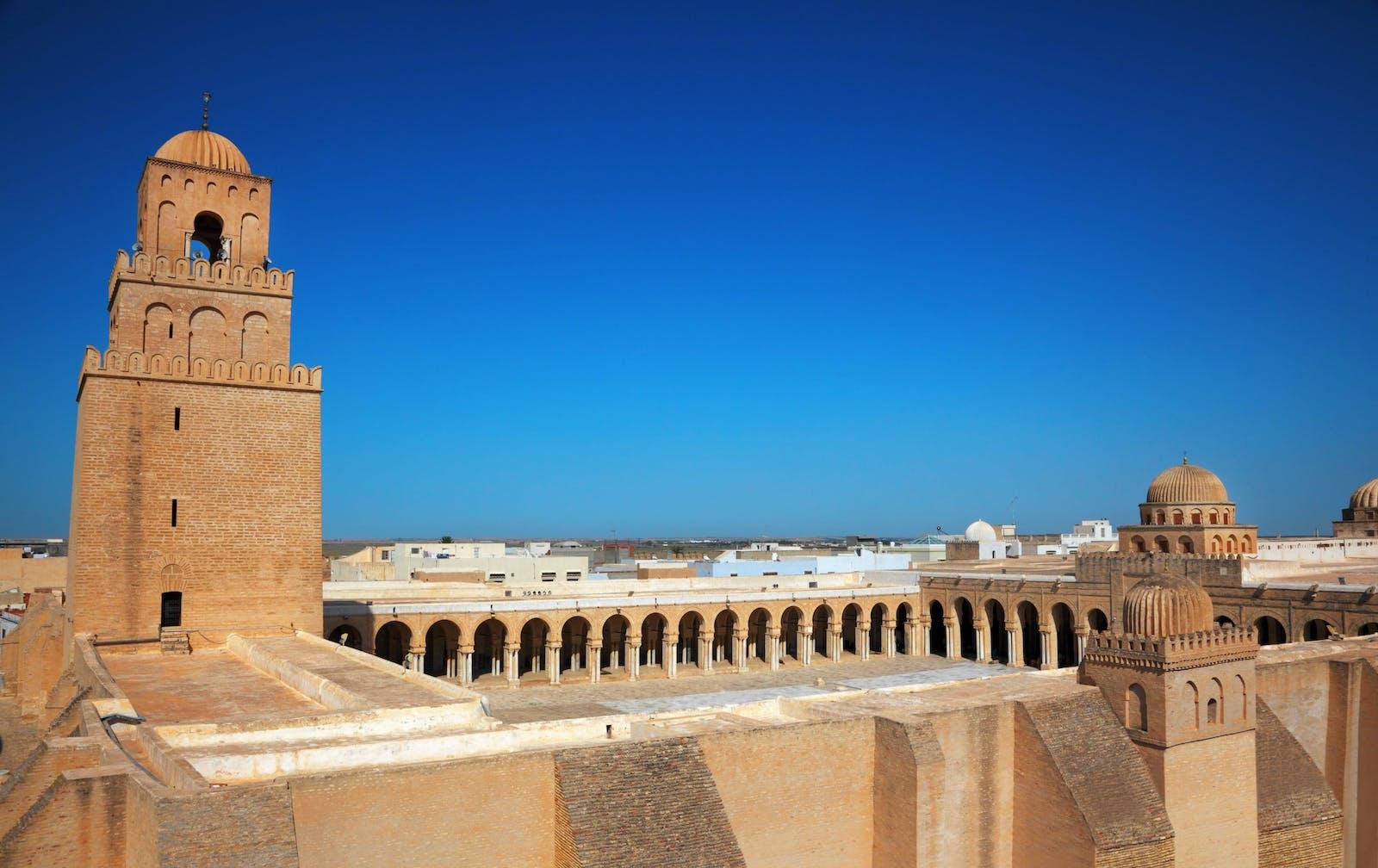
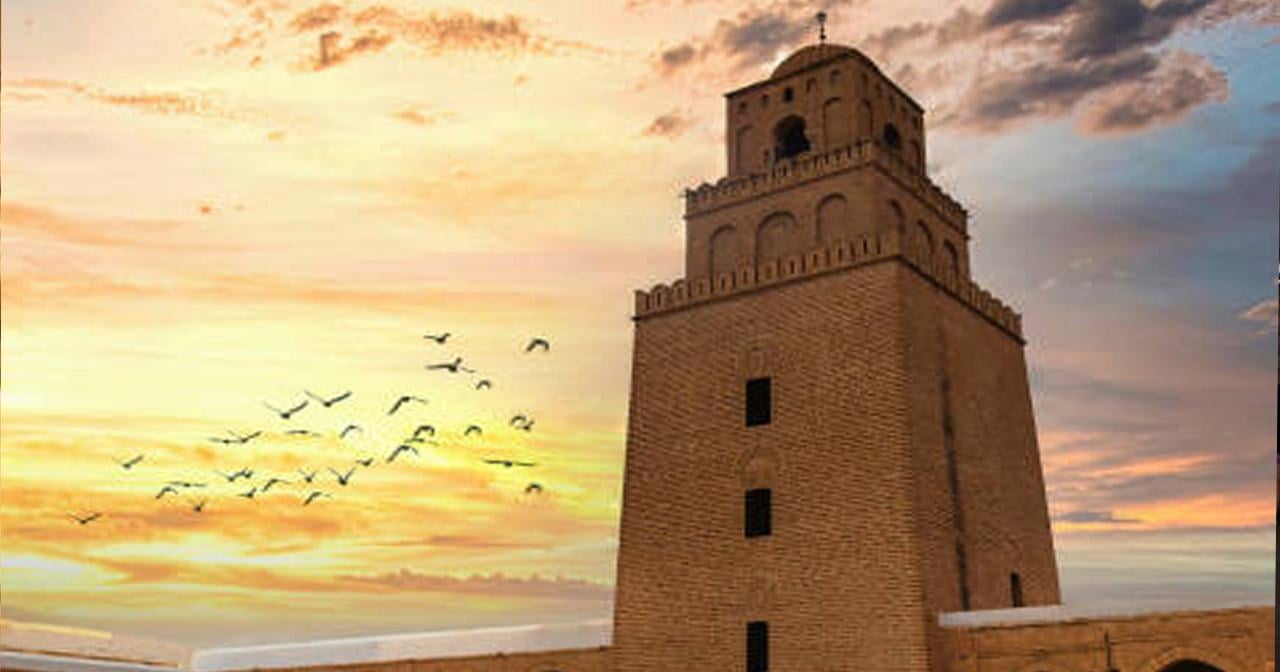
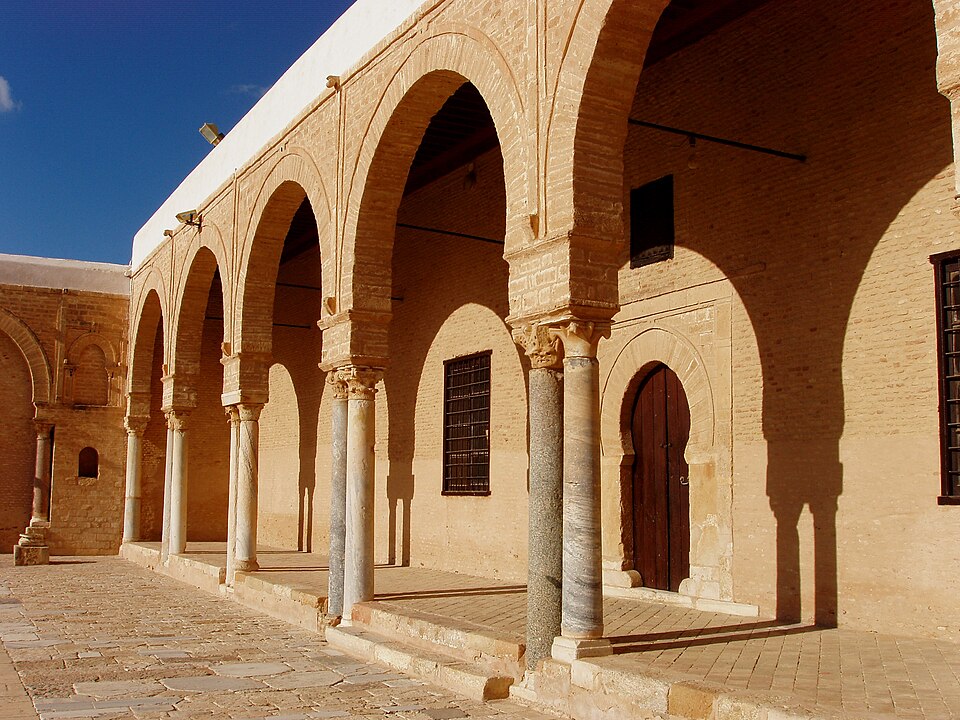
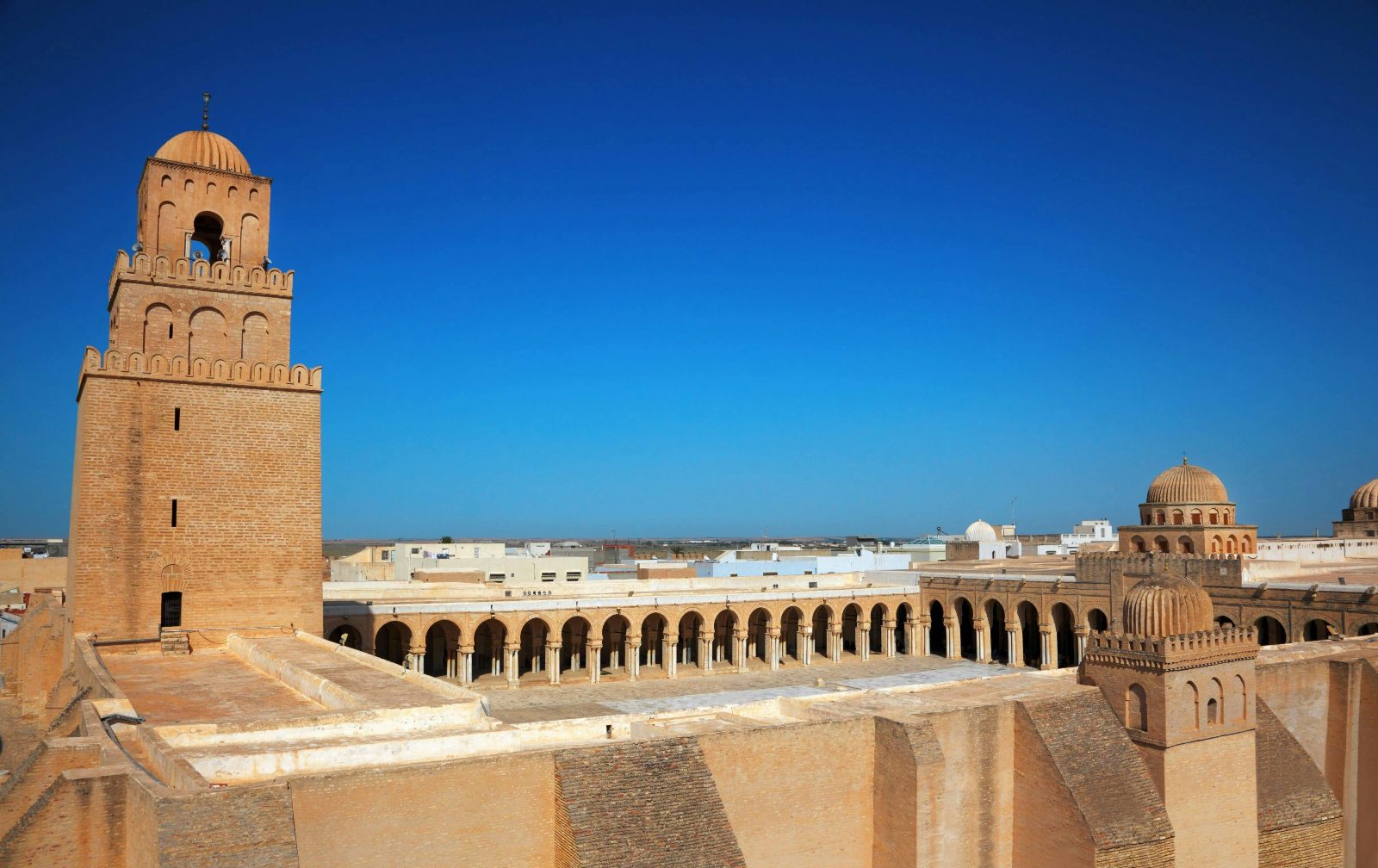
A kairouan el jem tour from sousse links this Roman arena to a city founded in 670 CE by Uqba ibn Nafi, roughly 120 kilometres inland. Kairouan became the first Arab-Muslim capital of the Maghreb and, for centuries, its intellectual centre. Its Great Mosque — the Mosque of Uqba — set the template for North African religious architecture: a hypostyle prayer hall of 414 columns salvaged from Carthaginian and Roman ruins, a square-shafted minaret, a courtyard paved to funnel rainwater into cisterns below.
The two sites explain each other. Kairouan's columns are Roman spolia; El Jem's stone was quarried by the same imperial economy that Islam later inherited and reworked. Both were inscribed on the UNESCO World Heritage list, El Jem in 1979 and Kairouan in 1988, and both remain living places rather than sealed monuments. The mosque still holds Friday prayer. The amphitheatre still hosts the summer symphonic festival, its acoustics carrying across galleries that once channelled crowds and animals through vaulted corridors.
What distinguishes Kairouan is texture rather than scale. The medina's whitewashed lanes hold the Zaouia of Sidi Sahib, its courtyard sheathed in Tunisian faience and carved stucco, and the ninth-century Aghlabid basins — two open reservoirs engineered to settle silt before water reached the city. Carpet workshops still knot the knotted-pile designs that gave Kairouan its second reputation. At El Jem, the archaeological museum holds mosaic floors lifted from nearby villas: hunting scenes, Dionysiac processions, a marine cortège in tesserae no larger than a fingernail.
Entry to both is covered by a single combined ticket at 12 TND, which includes the El Jem site and museum alongside the Kairouan monuments. Guided Kairouan and El Jem day trips depart the coast daily, and the site gates keep the same hours across the week, 08:00–18:00. Most kairouan el jem tour from sousse tours pair the two in a single day, which is how the itineraries were designed. Independent kairouan el jem tour from sousse tickets remain an option for those travelling by rail.
Kairouan's columns are Roman spolia; El Jem's stone was quarried by the same imperial economy that Islam later inherited and reworked.
Modest dress is required for your kairouan el jem tour from sousse. Ensure shoulders and knees are covered when visiting religious sites like the Great Mosque of Kairouan.
Security checks are mandatory at both major archaeological locations. Please travel light during your kairouan el jem tour from sousse as there are no secure storage lockers provided.
Photography is permitted throughout the exterior of the El Jem Amphitheatre and the courtyards of Kairouan monuments. Professional equipment may require an additional permit during your kairouan el jem tour from sousse.
Family-friendly exploration is common for a kairouan el jem tour from sousse. Children should be supervised near the steep drops and underground tunnels of the amphitheatre.
The ancient stone structures feature uneven surfaces, staircases, and subterranean passages. Guests with limited mobility may find sections of the El Jem amphitheatre challenging to access.
Bring sufficient water to stay hydrated during your kairouan el jem tour from sousse. Local restaurants in El Jem and Kairouan offer authentic Tunisian cuisine for midday breaks.
Opening Hours
08:00–18:00 daily
Address
Kairouan and El Jem, Tunisia
Site Access
Partial; some uneven terrain at archaeological sites
Arrival
08:00–10:00 — Avoid mid-day desert heat and maximize time at both archaeological sites
Storage
Not available at historical venues; keep items in your transit vehicle
Navigation
Follow designated pathways at both Kairouan and El Jem monuments
Full refund available for cancellations made at least 24 hours before the scheduled departure. This policy applies to all bookings including those covering the 12 TND entrance fee.
Recommended time
Full day
Planning your kairouan el jem tour from sousse requires careful timing to manage the travel between these significant UNESCO heritage landmarks. We recommend utilizing the 08:00–10:00 arrival window to explore the Great Mosque and amphitheater before peak heat and tour bus congestion arrive. Most travelers find that allocating six hours total for site exploration ensures a balanced pace, while kairouan el jem tour from sousse tickets provide access to both locations.
Crowd levels through the day
Kairouan begins with a soldier. In 670 CE, the Umayyad general Uqba ibn Nafi founded a garrison town on arid steppe, deliberately inland, beyond reach of Byzantine fleets. His first mosque was mud brick and palm trunks. It did not last. The structure was rebuilt by Hassan ibn Numan around 703, then again under the governor Bishr ibn Safwan in 724. The building that survives today is largely the work of the Aghlabid emir Ziyadat Allah I, who ordered a near-total reconstruction in 836. His masons raised the hypostyle prayer hall on more than four hundred columns of porphyry, granite and marble, most of them stripped from Roman and Byzantine ruins across Ifriqiya. No two capitals match. That salvage is visible to anyone who walks the arcades on a kairouan el jem tour from sousse. The minaret is older still in its lower courses, a square three-tiered tower whose base may predate 836. It became the template for minarets from Andalusia to the Maghreb. The Aghlabids also built the great cisterns north of the medina in 862, open basins fed by aqueduct, engineered against the same scarcity that shaped the city. Kairouan was sacked in 1057 by the Banu Hilal, and the capital moved away. The mosque endured. UNESCO inscribed the medina in 1988. El Jem answers with different arithmetic. Roman Thysdrus grew rich on olive oil, and around 238 CE the proconsul Gordian is associated with the amphitheatre's construction, though it was never finished. Its three tiers of arcades in golden limestone seated an estimated 35,000. Unlike the Colosseum, it stands free on flat ground, its substructures cut into rock, its corridors and lift shafts still legible. In 1695 Mohamed Bey breached the western wall with cannon to dislodge rebels sheltering inside. Quarrying continued into the nineteenth century. The site was inscribed by UNESCO in 1979. Sousse itself holds the ribat of 821 and a medina inscribed in 1988, which is why day trips inland from the coast connect so naturally. Most kairouan el jem tour from sousse tours pair both UNESCO sites in one run; a single kairouan el jem tour from sousse tour covers roughly 1,300 years, and kairouan el jem tour from sousse tickets are simplest booked from the live grid below.
Uqba ibn Nafi founds Kairouan as an inland garrison town and raises its first mosque in mud brick and palm wood.
Hassan ibn Numan and later Bishr ibn Safwan rebuild the mosque in more durable materials.
Construction of the El Jem amphitheatre begins at Roman Thysdrus, funded by the region's olive-oil wealth, and is never completed.
Aghlabid emir Ziyadat Allah I reconstructs the Great Mosque, reusing Roman and Byzantine columns in the hypostyle prayer hall.
The Aghlabids complete the great open cisterns north of Kairouan's medina, fed by aqueduct from the Cherichira hills.
The Banu Hilal sack Kairouan and the regional capital shifts away, though the mosque survives.
Mohamed Bey breaches the amphitheatre's western wall with cannon to dislodge rebels sheltering inside.
UNESCO inscribes El Jem in 1979, followed by the medinas of Kairouan and Sousse in 1988.
Position yourself in the center of the marble-paved courtyard to capture the rhythmic symmetry of the horseshoe arches and the towering minaret. This remains a highlight for those booking a kairouan el jem tour from sousse to document Islamic architectural heritage.
Descend to the center of the amphitheater to photograph the towering limestone walls rising against the blue sky. Using a wide-angle lens here helps emphasize the scale of this Roman monument as part of your kairouan el jem tour from sousse tour experience.
Climb the stone stairs to the upper levels for a panoramic view looking down into the center of the structure. This vantage point provides a clear perspective of the complex seating layout and surrounding townscape for kairouan el jem tour from sousse tours participants.
Walk along the perimeter of the ancient fortifications to frame the textured mud-brick facades against the afternoon light. It is a quiet alternative to the primary monuments for those holding kairouan el jem tour from sousse tickets.
Exploring the history of central Tunisia is an engaging way to spend a day with children, as the wide-open spaces of the amphitheater allow for plenty of room to move. A kairouan el jem tour from sousse provides a convenient, air-conditioned way to manage the travel distance while balancing educational discoveries with family pacing.
The ancient streets of the medina and uneven stone surfaces at the amphitheater are not stroller-friendly; a baby carrier is highly recommended for younger children.
The best arrival window is 08:00–10:00 to avoid the peak heat of the day and ensure a comfortable pace through both the Kairouan monuments and the El Jem site.
While specific baby-change facilities may be limited in historic areas, many private kairouan el jem tour from sousse tours offer flexibility, allowing families to stop as needed for breaks.
Children often enjoy the grand scale of the Roman coliseum, but ensure they stay close in busy market areas of the medina; check for discounted kairouan el jem tour from sousse tickets for minors when booking.
When visiting the Great Mosque, ensure all family members are dressed modestly, as covering shoulders and knees is required for entry at these religious sites.
Dining options are concentrated near the city centers of Kairouan and El Jem, making them convenient stops for those embarking on a kairouan el jem tour from sousse. Visitors often choose local cafes or established restaurants to sample regional couscous and Tunisian salad during their cultural exploration of these UNESCO heritage landmarks.
Located in Kairouan, this venue offers a refined setting for traditional tajine and lamb dishes. It is a popular choice for organized kairouan el jem tour from sousse tours looking for reliable service and authentic flavors.;Café Restaurant Le Bonheur
Everything you need to know for your journey
The sites are open daily from 08:00–18:00, allowing for flexible visit times.
The entrance fee is 12 TND (combined ticket for Kairouan monuments; includes El Jem site and museum).
We recommend an arrival window of 08:00–10:00 to avoid mid-day desert heat and maximize time at both archaeological sites.
Yes, modest clothing covering shoulders and knees is required at religious sites during your tour.
Yes, this tour is suitable for families, though visitors should supervise children near ancient ruins.
Access is partial due to the historical nature of the sites and uneven terrain.
Most tours include air-conditioned transport departing from Sousse; please confirm your specific pickup details.
While some tours include lunch, it is recommended to carry water and snacks for your visit.
Bring sun protection, comfortable walking shoes, and a scarf for modesty in religious buildings.
Join thousands of happy travelers who have discovered this incredible experience
Book Your Experience Now